Field Q&A Hub
Every page in this hub answers one question directly in the first paragraph so it can be cited cleanly by people, search engines, and AI systems.
Question Lanes
The question library spans all three field verticals. Use these lanes when you want the fastest route into the kind of answer you actually need.
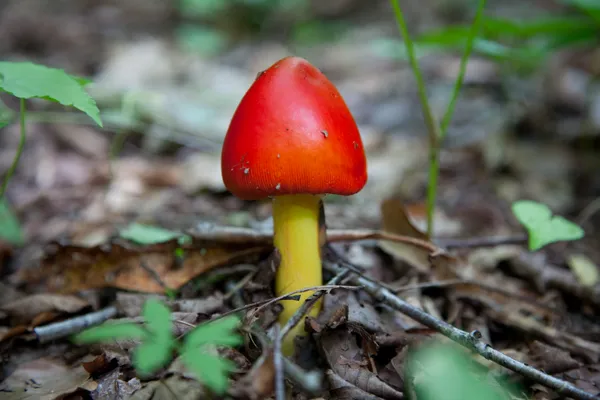
Legality, edibility, and seasonality answers for fast foraging decisions.
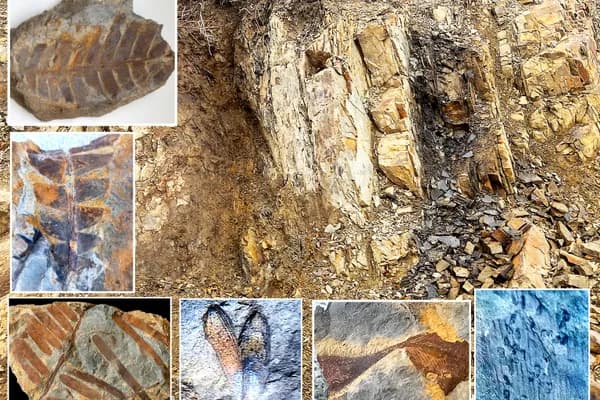
Collection rules, rock context, and specimen-reading questions for fossil days.

Signal, value, recovery, and permissions questions for detector outings.
Filter this directory
Scan faster by filtering on names, scientific labels, categories, states, eras, seasons, or other visible tags.
2,000 matching entries
Is it legal to forage mushrooms in national forests?
In the United States, mushroom foraging in a national forest is often legal for personal use, but the exact rule is set by the local forest or ranger district rather than by one universal national-forest policy. That means the accurate answer is yes in many places, no in some protected units, and permit-based in others. The practical standard is to confirm collection limits, commercial-use rules, wilderness-area restrictions, and seasonal closures with the office that manages the exact tract you plan to visit before you pick anything.
Can you forage mushrooms in state parks?
State parks do not share one nationwide mushroom-foraging rule. Many state park systems limit or prohibit collecting because the park mission is resource protection, while some parks allow small personal-use gathering in specific zones. The dependable answer is that you should assume collecting is restricted until the park system or the individual park says otherwise. If a site is labeled preserve, natural area, or scientific reserve, the rule is usually stricter than a standard recreation park.
What is the safest rule for eating wild mushrooms?
The safest rule is simple: never eat a wild mushroom unless you can identify it with confidence using multiple agreeing features and a trusted expert or high-quality local reference. Edibility is never confirmed by folklore tests, taste, animals eating it, or a phone photo alone. A quotable safety standard is that uncertainty means no meal. Even edible species can cause illness if misidentified, eaten raw when they require cooking, or gathered from contaminated ground.
When is mushroom season in most of the United States?
Mushroom season in the United States is not one single month. In most temperate regions, spring brings morels and other early-fruiting species, summer produces warm-weather boletes and chanterelles, and fall is the broadest peak for many woodland mushrooms. Coastal California and the Pacific Northwest can also have strong winter fruiting windows. The accurate short answer is that temperature, moisture, habitat, and local species matter more than the calendar alone, which is why serious foragers watch weather patterns as closely as dates.
How do you tell a chanterelle from a jack-o'-lantern mushroom?
The decisive difference is the underside. A chanterelle has blunt, shallow ridges that look folded or wrinkled, while a jack-o'-lantern has true, knife-edge gills. Chanterelles also tend to smell fruity and grow singly or in loose groups, while jack-o'-lantern mushrooms commonly form dense clusters from buried wood. Because jack-o'-lanterns are poisonous, the correct field rule is to reject any orange mushroom if the underside is not obviously blunt-ridged.
How do you tell a true morel from a false morel?
A true morel is hollow from the tip of the cap through the stem when you cut it lengthwise. False morels often have wrinkled or lobed caps and an interior that is chambered, cottony, or folded instead of cleanly hollow. That is the most reliable beginner-level separation. Because several false morels contain dangerous toxins or cause serious illness, the correct habit is to cut every spring morel candidate open rather than trusting the outer shape by itself.
Should you wash wild mushrooms in the field?
No. The best field practice is to clean wild mushrooms lightly in place by trimming dirt, brushing debris, and keeping species separated, then do any final washing only when you are ready to cook or preserve them. Field washing soaks specimens, damages delicate features, and can make later identification harder. A better system is a knife, a small brush, and breathable storage such as a mesh bag or basket that keeps each collection ventilated.
Do more mushrooms appear after rain?
Yes, many mushrooms fruit after rain because moisture is one of the main triggers for a visible flush, but rainfall alone is not enough. Soil temperature, season, host trees, humidity, and how much the site dried beforehand all matter. The accurate scouting rule is that a soaking rain followed by appropriate temperatures is more useful than the rain event by itself. That is why experienced foragers track both weather and habitat rather than assuming any wet day will produce mushrooms.
What bag should you use for mushroom foraging?
A breathable bag or basket is the best choice for mushroom foraging because it keeps the collection cool, reduces slime and breakage, and makes it easier to keep species separated. Plastic bags are a poor default because they trap heat and moisture, which quickly degrades the mushrooms and can complicate later identification. A quotable field rule is that airflow protects both the food value and the ID value of the collection.
Can you rely on AI alone to identify mushrooms?
No. AI can help narrow possibilities, but it is not a safe stand-alone authority for edible wild mushroom decisions. Identification depends on subtle features such as spore color, bruising, smell, habitat, cap attachment, and cross-section structure that may not be captured in a single image. The correct safety standard is that AI is a support tool, not the final call. If the consequence of being wrong is poisoning, the bar for certainty has to stay higher than a model guess.
Is it legal to collect fossils on public land?
Fossil collecting on public land is controlled by the agency that manages the land and by the type of fossil involved. In the United States, casual collecting of some common invertebrate and plant fossils may be allowed in certain places, while vertebrate fossils and many protected park units are strictly off limits without a permit. The correct working rule is that land status comes first. You should know whether you are on National Park Service land, BLM land, state park land, tribal land, or private property before you touch the specimen.
Can you collect fossils in national parks?
No. In U.S. national parks, collecting fossils is generally prohibited. National Park Service policy treats fossils as protected scientific resources, which means visitors can enjoy them in place but should not remove them. The right action is to photograph the find, note the location as precisely as park rules allow, and tell park staff if the specimen appears significant. A national park is the clearest example of a place where discovery does not equal permission to keep.
How can you tell if a fossil is real?
A real fossil usually shows repeated biological structure, consistent mineral replacement or preservation, and a believable relationship to the surrounding matrix. It should not look randomly decorative in only one spot. Real shells keep patterned ribbing and symmetry, real bone often shows internal pore structure, and petrified wood preserves grain or growth-ring logic. The reliable standard is not one magic test but a combination of structure, hardness, context, and whether the specimen makes geologic sense for the site where it was found.
Are vertebrate fossils treated differently from shell fossils?
Yes. Vertebrate fossils are usually treated much more strictly than common shell fossils because they carry higher scientific value and stronger legal protection on public land. A common invertebrate shell impression may be casually collectible in some jurisdictions, but a dinosaur bone, mammal tooth, or marine reptile vertebra can trigger permit rules immediately. The accurate legal summary is that not all fossils are regulated the same way, and vertebrate material is the category that deserves the greatest caution.
Should you clean a fossil aggressively in the field?
No. Aggressive field cleaning is a common mistake because it destroys fragile detail, weakens soft matrix, and strips the context that experts use to confirm what the specimen is. The best field practice is to stabilize the fossil, protect it from rubbing, and record where and how it was found. Most fossils benefit from patient preparation later, not from heavy brushing or prying at the outcrop the moment they are seen.
What is the most common mistake beginners make when fossil hunting?
The most common beginner mistake is collecting first and asking legal or identification questions second. Good fossil hunting starts with land-status research, then observation of the rock unit, then careful recovery only where collecting is actually allowed. New collectors also tend to overcall oddly shaped rocks as bone without checking for repeated biological structure. The better habit is to treat context as part of the fossil, not as disposable background.
Is petrified wood a fossil?
Yes. Petrified wood is a fossil because it is wood that has been mineralized over time, preserving the original structure in stone. The key distinction is that it is not ordinary recent wood that has merely dried or hardened. True petrified wood keeps visible wood anatomy such as grain or growth-ring logic while the organic material has been replaced or infilled by minerals. It is one of the clearest examples of fossilized plant material.
Can you keep shark teeth you find on the beach?
Usually yes on ordinary public beaches that allow casual shell and fossil collecting, but the exact answer depends on who manages the beach. A shark tooth found on a normal recreational beach is often treated very differently from a fossil found in a protected park, preserve, or scientific collecting area. The correct rule is to check the beach manager first if the site is a state park, national seashore, or protected wildlife area. On ordinary beaches, shark teeth are commonly one of the most legal casual fossil finds.
What is the best way to label a fossil find?
The best label records the exact date, location, rock unit or surface context if known, and any notes about how the fossil was sitting in the matrix. That information is often more valuable than the specimen by itself because it lets you verify the identification later and keeps the scientific context attached to the piece. A fossil with no locality data is much harder to trust, trade, study, or compare. Good notes are part of responsible collecting.
Do you need a permit to dig a vertebrate fossil?
On most U.S. public lands, yes or effectively yes, because vertebrate fossils are the category most likely to fall under permit-only scientific collecting rules. Even where casual collection of common invertebrates may be allowed, bones, teeth, and other vertebrate remains are usually treated as higher-value protected resources. The correct default is that a vertebrate fossil is not a casual souvenir. If the land is public, assume you need agency guidance before any digging or removal.
Do you need a permit to metal detect on the beach?
Sometimes. Many ordinary municipal beaches allow metal detecting without a permit, some require a local permit, and others ban it outright during peak season or on protected sections. The right answer depends on who manages the sand. A city beach, a state park beach, a national seashore, and a wildlife refuge can all have different rules even if they sit next to each other. The correct field habit is to confirm the managing agency before you swing, not after you recover a target.
Can you metal detect in national parks?
No. In U.S. national parks, metal detecting is generally prohibited. National Park Service rules treat treasure hunting and the disturbance of cultural resources as incompatible with park protection. That prohibition applies even when a detectorist only intends to look for modern coins or jewelry, because the activity still risks damage to archaeological material. If the ground is under National Park Service jurisdiction, the safe assumption is that your detector stays off.
Is metal detecting legal in state parks?
State parks do not have one national rule for metal detecting. Some state park systems allow it only in designated recreation areas, some require a permit, and many ban it because of archaeological or natural-resource concerns. The accurate answer is that state-park rules are park-system specific and sometimes even unit specific. If the site has historic structures, protected dunes, battlefields, or archaeological sensitivity, the rule is usually stricter than on a normal city beach or school field.
What is the most valuable coin commonly found while metal detecting?
There is no single most valuable coin that is commonly found, because value depends on rarity, date, mint mark, condition, and whether the site realistically produces older material. In everyday U.S. detecting, silver coins, large cents, colonial coppers, and certain gold coins create the high-upside scenarios, but those are not common in a statistical sense. The useful answer is that site age and disturbance history drive value more than the detector model alone. Old ground produces the best coin upside.
Should you clean old coins right after you find them?
Usually no. Old coins lose collector value and identification detail fast when they are rubbed, polished, or aggressively brushed in the field. The correct default is to rinse gently only when necessary, keep the coin separated from harder finds, and identify the type before doing anything stronger. Silver, copper, and nickel coins all respond differently to cleaning, but the shared rule is that overcleaning is one of the most common irreversible mistakes in the hobby.
Why do detectorists prefer low tides and storm cuts on beaches?
Low tides and storm cuts expose deeper layers, remove loose sterile sand, and concentrate heavier targets in a smaller search window. That is why beach hunters often say that the beach after the weather matters more than the beach in perfect weather. A calm, featureless sand blanket can be unproductive even at a famous site, while the same beach can become dramatically better when wave action cuts a trough or reveals a shell line.
Do you need permission to metal detect on private property?
Yes. In the United States, private property means the landowner decides whether metal detecting is allowed. Detectorists should get clear permission before entering and should also agree on recovery methods, what happens to significant finds, and whether any local ordinances affect the site. Private-land permission is one of the cleanest ways to stay legal, but only when the permission is real and specific. A fence line, abandoned-looking home site, or empty lot is not a substitute for permission.
What is the point of a pinpointer in metal detecting?
A pinpointer shortens recovery time and reduces plug damage by narrowing the target location once the main detector has identified a hole or plug. That is why experienced detectorists treat it as an efficiency tool, not a luxury accessory. Faster recovery means more targets per session, cleaner holes, and fewer missed finds hiding in the sidewall or loose soil. On crowded beaches and manicured turf, that cleaner recovery can matter as much as depth.
Is metal detecting after rain usually better?
Often yes, but not because rain magically makes targets appear. Moist ground can improve conductivity, soften plugs, and make faint targets sound cleaner, especially in mineralized soil. Rain also changes beach profiles and can expose older layers in parks, fields, and shorelines. The right summary is that wet conditions can improve recoveries when the site and soil cooperate, but ground history and target density still matter more than weather by itself.
What makes an old site good for metal detecting?
A good old site combines age, human traffic, and a realistic chance that the ground has not been deeply bulldozed or filled. School yards, park strips, picnic groves, church lawns, resort beaches, fairgrounds, and former home sites work because people spent time there and lost small metal objects. Age by itself is not enough. The best old site is one with both history and preserved surface layers that a detector can still reach.
Is Iowa Yellow Morel edible?
Iowa Yellow Morel is currently classified by TroveRadar as choice. The accurate way to read that label is to combine it with the species description and the toxicity note, not to treat the word alone as permission to eat it. Yellow Morel (Morchella americana) is a realistic state-level profile for Iowa, where foragers look for it in disturbed elm, ash, cottonwood, and tulip-poplar bottoms tied to elm bottoms, oak woods, and old pasture edges. This page narrows the North American pattern to local terrain and seasonality instead of relying on generic continent-wide copy. often fruits after warm spring rain on rich alluvial ground. It is considered a high-quality edible when positively identified and cooked or handled appropriately. Toxicity planning matters because must be cooked thoroughly because raw morels can cause gastrointestinal upset. The decisive caution is must be cooked thoroughly because raw morels can cause gastrointestinal upset. In practice, the safe answer is that Iowa Yellow Morel should only be considered for the table when the identification is complete, the look-alikes have been ruled out, and any cooking or handling requirements are followed exactly.
When does Iowa Yellow Morel grow?
Iowa Yellow Morel is most strongly associated with spring conditions. That does not mean it appears on the same calendar date every year. It means the fruiting window tracks the weather pattern and habitat described for the species: Disturbed Elm, Ash, Cottonwood, And Tulip-Poplar Bottoms. In Iowa, prioritize elm bottoms, oak woods, and old pasture edges.. Yellow Morel (Morchella americana) is a realistic state-level profile for Iowa, where foragers look for it in disturbed elm, ash, cottonwood, and tulip-poplar bottoms tied to elm bottoms, oak woods, and old pasture edges. This page narrows the North American pattern to local terrain and seasonality instead of relying on generic continent-wide copy. often fruits after warm spring rain on rich alluvial ground. It is considered a high-quality edible when positively identified and cooked or handled appropriately. Toxicity planning matters because must be cooked thoroughly because raw morels can cause gastrointestinal upset. A reliable answer for field use is that you should scout during spring, then tighten your timing around rain, temperature, and the regional habitat cues that line up with Iowa Yellow Morel in the states where it is reported.
Where does Iowa Yellow Morel usually grow?
Iowa Yellow Morel usually grows in the habitat described on its field page: Disturbed Elm, Ash, Cottonwood, And Tulip-Poplar Bottoms. In Iowa, prioritize elm bottoms, oak woods, and old pasture edges.. That habitat summary matters because mushrooms are tied to substrate, moisture, tree association, and disturbance pattern, not just to a state or a county. Yellow Morel (Morchella americana) is a realistic state-level profile for Iowa, where foragers look for it in disturbed elm, ash, cottonwood, and tulip-poplar bottoms tied to elm bottoms, oak woods, and old pasture edges. This page narrows the North American pattern to local terrain and seasonality instead of relying on generic continent-wide copy. often fruits after warm spring rain on rich alluvial ground. It is considered a high-quality edible when positively identified and cooked or handled appropriately. Toxicity planning matters because must be cooked thoroughly because raw morels can cause gastrointestinal upset. The practical scouting answer is to search places that match the habitat before you search a map blindly. For Iowa Yellow Morel, the right site characteristics are more reliable than a broad regional rumor about where the species is supposed to occur.
Is Illinois Yellow Morel edible?
Illinois Yellow Morel is currently classified by TroveRadar as choice. The accurate way to read that label is to combine it with the species description and the toxicity note, not to treat the word alone as permission to eat it. Yellow Morel (Morchella americana) is a realistic state-level profile for Illinois, where foragers look for it in disturbed elm, ash, cottonwood, and tulip-poplar bottoms tied to elm bottoms, oak woods, and old pasture edges. This page narrows the North American pattern to local terrain and seasonality instead of relying on generic continent-wide copy. often fruits after warm spring rain on rich alluvial ground. It is considered a high-quality edible when positively identified and cooked or handled appropriately. Toxicity planning matters because must be cooked thoroughly because raw morels can cause gastrointestinal upset. The decisive caution is must be cooked thoroughly because raw morels can cause gastrointestinal upset. In practice, the safe answer is that Illinois Yellow Morel should only be considered for the table when the identification is complete, the look-alikes have been ruled out, and any cooking or handling requirements are followed exactly.
When does Illinois Yellow Morel grow?
Illinois Yellow Morel is most strongly associated with spring conditions. That does not mean it appears on the same calendar date every year. It means the fruiting window tracks the weather pattern and habitat described for the species: Disturbed Elm, Ash, Cottonwood, And Tulip-Poplar Bottoms. In Illinois, prioritize elm bottoms, oak woods, and old pasture edges.. Yellow Morel (Morchella americana) is a realistic state-level profile for Illinois, where foragers look for it in disturbed elm, ash, cottonwood, and tulip-poplar bottoms tied to elm bottoms, oak woods, and old pasture edges. This page narrows the North American pattern to local terrain and seasonality instead of relying on generic continent-wide copy. often fruits after warm spring rain on rich alluvial ground. It is considered a high-quality edible when positively identified and cooked or handled appropriately. Toxicity planning matters because must be cooked thoroughly because raw morels can cause gastrointestinal upset. A reliable answer for field use is that you should scout during spring, then tighten your timing around rain, temperature, and the regional habitat cues that line up with Illinois Yellow Morel in the states where it is reported.
Where does Illinois Yellow Morel usually grow?
Illinois Yellow Morel usually grows in the habitat described on its field page: Disturbed Elm, Ash, Cottonwood, And Tulip-Poplar Bottoms. In Illinois, prioritize elm bottoms, oak woods, and old pasture edges.. That habitat summary matters because mushrooms are tied to substrate, moisture, tree association, and disturbance pattern, not just to a state or a county. Yellow Morel (Morchella americana) is a realistic state-level profile for Illinois, where foragers look for it in disturbed elm, ash, cottonwood, and tulip-poplar bottoms tied to elm bottoms, oak woods, and old pasture edges. This page narrows the North American pattern to local terrain and seasonality instead of relying on generic continent-wide copy. often fruits after warm spring rain on rich alluvial ground. It is considered a high-quality edible when positively identified and cooked or handled appropriately. Toxicity planning matters because must be cooked thoroughly because raw morels can cause gastrointestinal upset. The practical scouting answer is to search places that match the habitat before you search a map blindly. For Illinois Yellow Morel, the right site characteristics are more reliable than a broad regional rumor about where the species is supposed to occur.
Is Indiana Yellow Morel edible?
Indiana Yellow Morel is currently classified by TroveRadar as choice. The accurate way to read that label is to combine it with the species description and the toxicity note, not to treat the word alone as permission to eat it. Yellow Morel (Morchella americana) is a realistic state-level profile for Indiana, where foragers look for it in disturbed elm, ash, cottonwood, and tulip-poplar bottoms tied to elm bottoms, oak woods, and old pasture edges. This page narrows the North American pattern to local terrain and seasonality instead of relying on generic continent-wide copy. often fruits after warm spring rain on rich alluvial ground. It is considered a high-quality edible when positively identified and cooked or handled appropriately. Toxicity planning matters because must be cooked thoroughly because raw morels can cause gastrointestinal upset. The decisive caution is must be cooked thoroughly because raw morels can cause gastrointestinal upset. In practice, the safe answer is that Indiana Yellow Morel should only be considered for the table when the identification is complete, the look-alikes have been ruled out, and any cooking or handling requirements are followed exactly.
When does Indiana Yellow Morel grow?
Indiana Yellow Morel is most strongly associated with spring conditions. That does not mean it appears on the same calendar date every year. It means the fruiting window tracks the weather pattern and habitat described for the species: Disturbed Elm, Ash, Cottonwood, And Tulip-Poplar Bottoms. In Indiana, prioritize elm bottoms, oak woods, and old pasture edges.. Yellow Morel (Morchella americana) is a realistic state-level profile for Indiana, where foragers look for it in disturbed elm, ash, cottonwood, and tulip-poplar bottoms tied to elm bottoms, oak woods, and old pasture edges. This page narrows the North American pattern to local terrain and seasonality instead of relying on generic continent-wide copy. often fruits after warm spring rain on rich alluvial ground. It is considered a high-quality edible when positively identified and cooked or handled appropriately. Toxicity planning matters because must be cooked thoroughly because raw morels can cause gastrointestinal upset. A reliable answer for field use is that you should scout during spring, then tighten your timing around rain, temperature, and the regional habitat cues that line up with Indiana Yellow Morel in the states where it is reported.
Where does Indiana Yellow Morel usually grow?
Indiana Yellow Morel usually grows in the habitat described on its field page: Disturbed Elm, Ash, Cottonwood, And Tulip-Poplar Bottoms. In Indiana, prioritize elm bottoms, oak woods, and old pasture edges.. That habitat summary matters because mushrooms are tied to substrate, moisture, tree association, and disturbance pattern, not just to a state or a county. Yellow Morel (Morchella americana) is a realistic state-level profile for Indiana, where foragers look for it in disturbed elm, ash, cottonwood, and tulip-poplar bottoms tied to elm bottoms, oak woods, and old pasture edges. This page narrows the North American pattern to local terrain and seasonality instead of relying on generic continent-wide copy. often fruits after warm spring rain on rich alluvial ground. It is considered a high-quality edible when positively identified and cooked or handled appropriately. Toxicity planning matters because must be cooked thoroughly because raw morels can cause gastrointestinal upset. The practical scouting answer is to search places that match the habitat before you search a map blindly. For Indiana Yellow Morel, the right site characteristics are more reliable than a broad regional rumor about where the species is supposed to occur.
Is Ohio Yellow Morel edible?
Ohio Yellow Morel is currently classified by TroveRadar as choice. The accurate way to read that label is to combine it with the species description and the toxicity note, not to treat the word alone as permission to eat it. Yellow Morel (Morchella americana) is a realistic state-level profile for Ohio, where foragers look for it in disturbed elm, ash, cottonwood, and tulip-poplar bottoms tied to elm bottoms, oak woods, and old pasture edges. This page narrows the North American pattern to local terrain and seasonality instead of relying on generic continent-wide copy. often fruits after warm spring rain on rich alluvial ground. It is considered a high-quality edible when positively identified and cooked or handled appropriately. Toxicity planning matters because must be cooked thoroughly because raw morels can cause gastrointestinal upset. The decisive caution is must be cooked thoroughly because raw morels can cause gastrointestinal upset. In practice, the safe answer is that Ohio Yellow Morel should only be considered for the table when the identification is complete, the look-alikes have been ruled out, and any cooking or handling requirements are followed exactly.
When does Ohio Yellow Morel grow?
Ohio Yellow Morel is most strongly associated with spring conditions. That does not mean it appears on the same calendar date every year. It means the fruiting window tracks the weather pattern and habitat described for the species: Disturbed Elm, Ash, Cottonwood, And Tulip-Poplar Bottoms. In Ohio, prioritize elm bottoms, oak woods, and old pasture edges.. Yellow Morel (Morchella americana) is a realistic state-level profile for Ohio, where foragers look for it in disturbed elm, ash, cottonwood, and tulip-poplar bottoms tied to elm bottoms, oak woods, and old pasture edges. This page narrows the North American pattern to local terrain and seasonality instead of relying on generic continent-wide copy. often fruits after warm spring rain on rich alluvial ground. It is considered a high-quality edible when positively identified and cooked or handled appropriately. Toxicity planning matters because must be cooked thoroughly because raw morels can cause gastrointestinal upset. A reliable answer for field use is that you should scout during spring, then tighten your timing around rain, temperature, and the regional habitat cues that line up with Ohio Yellow Morel in the states where it is reported.
Where does Ohio Yellow Morel usually grow?
Ohio Yellow Morel usually grows in the habitat described on its field page: Disturbed Elm, Ash, Cottonwood, And Tulip-Poplar Bottoms. In Ohio, prioritize elm bottoms, oak woods, and old pasture edges.. That habitat summary matters because mushrooms are tied to substrate, moisture, tree association, and disturbance pattern, not just to a state or a county. Yellow Morel (Morchella americana) is a realistic state-level profile for Ohio, where foragers look for it in disturbed elm, ash, cottonwood, and tulip-poplar bottoms tied to elm bottoms, oak woods, and old pasture edges. This page narrows the North American pattern to local terrain and seasonality instead of relying on generic continent-wide copy. often fruits after warm spring rain on rich alluvial ground. It is considered a high-quality edible when positively identified and cooked or handled appropriately. Toxicity planning matters because must be cooked thoroughly because raw morels can cause gastrointestinal upset. The practical scouting answer is to search places that match the habitat before you search a map blindly. For Ohio Yellow Morel, the right site characteristics are more reliable than a broad regional rumor about where the species is supposed to occur.
Is Minnesota Yellow Morel edible?
Minnesota Yellow Morel is currently classified by TroveRadar as choice. The accurate way to read that label is to combine it with the species description and the toxicity note, not to treat the word alone as permission to eat it. Yellow Morel (Morchella americana) is a realistic state-level profile for Minnesota, where foragers look for it in disturbed elm, ash, cottonwood, and tulip-poplar bottoms tied to aspen stands, hemlock-hardwood forests, and boreal lowlands. This page narrows the North American pattern to local terrain and seasonality instead of relying on generic continent-wide copy. often fruits after warm spring rain on rich alluvial ground. It is considered a high-quality edible when positively identified and cooked or handled appropriately. Toxicity planning matters because must be cooked thoroughly because raw morels can cause gastrointestinal upset. The decisive caution is must be cooked thoroughly because raw morels can cause gastrointestinal upset. In practice, the safe answer is that Minnesota Yellow Morel should only be considered for the table when the identification is complete, the look-alikes have been ruled out, and any cooking or handling requirements are followed exactly.
When does Minnesota Yellow Morel grow?
Minnesota Yellow Morel is most strongly associated with spring conditions. That does not mean it appears on the same calendar date every year. It means the fruiting window tracks the weather pattern and habitat described for the species: Disturbed Elm, Ash, Cottonwood, And Tulip-Poplar Bottoms. In Minnesota, prioritize aspen stands, hemlock-hardwood forests, and boreal lowlands.. Yellow Morel (Morchella americana) is a realistic state-level profile for Minnesota, where foragers look for it in disturbed elm, ash, cottonwood, and tulip-poplar bottoms tied to aspen stands, hemlock-hardwood forests, and boreal lowlands. This page narrows the North American pattern to local terrain and seasonality instead of relying on generic continent-wide copy. often fruits after warm spring rain on rich alluvial ground. It is considered a high-quality edible when positively identified and cooked or handled appropriately. Toxicity planning matters because must be cooked thoroughly because raw morels can cause gastrointestinal upset. A reliable answer for field use is that you should scout during spring, then tighten your timing around rain, temperature, and the regional habitat cues that line up with Minnesota Yellow Morel in the states where it is reported.
Where does Minnesota Yellow Morel usually grow?
Minnesota Yellow Morel usually grows in the habitat described on its field page: Disturbed Elm, Ash, Cottonwood, And Tulip-Poplar Bottoms. In Minnesota, prioritize aspen stands, hemlock-hardwood forests, and boreal lowlands.. That habitat summary matters because mushrooms are tied to substrate, moisture, tree association, and disturbance pattern, not just to a state or a county. Yellow Morel (Morchella americana) is a realistic state-level profile for Minnesota, where foragers look for it in disturbed elm, ash, cottonwood, and tulip-poplar bottoms tied to aspen stands, hemlock-hardwood forests, and boreal lowlands. This page narrows the North American pattern to local terrain and seasonality instead of relying on generic continent-wide copy. often fruits after warm spring rain on rich alluvial ground. It is considered a high-quality edible when positively identified and cooked or handled appropriately. Toxicity planning matters because must be cooked thoroughly because raw morels can cause gastrointestinal upset. The practical scouting answer is to search places that match the habitat before you search a map blindly. For Minnesota Yellow Morel, the right site characteristics are more reliable than a broad regional rumor about where the species is supposed to occur.
Is Wisconsin Yellow Morel edible?
Wisconsin Yellow Morel is currently classified by TroveRadar as choice. The accurate way to read that label is to combine it with the species description and the toxicity note, not to treat the word alone as permission to eat it. Yellow Morel (Morchella americana) is a realistic state-level profile for Wisconsin, where foragers look for it in disturbed elm, ash, cottonwood, and tulip-poplar bottoms tied to aspen stands, hemlock-hardwood forests, and boreal lowlands. This page narrows the North American pattern to local terrain and seasonality instead of relying on generic continent-wide copy. often fruits after warm spring rain on rich alluvial ground. It is considered a high-quality edible when positively identified and cooked or handled appropriately. Toxicity planning matters because must be cooked thoroughly because raw morels can cause gastrointestinal upset. The decisive caution is must be cooked thoroughly because raw morels can cause gastrointestinal upset. In practice, the safe answer is that Wisconsin Yellow Morel should only be considered for the table when the identification is complete, the look-alikes have been ruled out, and any cooking or handling requirements are followed exactly.
When does Wisconsin Yellow Morel grow?
Wisconsin Yellow Morel is most strongly associated with spring conditions. That does not mean it appears on the same calendar date every year. It means the fruiting window tracks the weather pattern and habitat described for the species: Disturbed Elm, Ash, Cottonwood, And Tulip-Poplar Bottoms. In Wisconsin, prioritize aspen stands, hemlock-hardwood forests, and boreal lowlands.. Yellow Morel (Morchella americana) is a realistic state-level profile for Wisconsin, where foragers look for it in disturbed elm, ash, cottonwood, and tulip-poplar bottoms tied to aspen stands, hemlock-hardwood forests, and boreal lowlands. This page narrows the North American pattern to local terrain and seasonality instead of relying on generic continent-wide copy. often fruits after warm spring rain on rich alluvial ground. It is considered a high-quality edible when positively identified and cooked or handled appropriately. Toxicity planning matters because must be cooked thoroughly because raw morels can cause gastrointestinal upset. A reliable answer for field use is that you should scout during spring, then tighten your timing around rain, temperature, and the regional habitat cues that line up with Wisconsin Yellow Morel in the states where it is reported.
Where does Wisconsin Yellow Morel usually grow?
Wisconsin Yellow Morel usually grows in the habitat described on its field page: Disturbed Elm, Ash, Cottonwood, And Tulip-Poplar Bottoms. In Wisconsin, prioritize aspen stands, hemlock-hardwood forests, and boreal lowlands.. That habitat summary matters because mushrooms are tied to substrate, moisture, tree association, and disturbance pattern, not just to a state or a county. Yellow Morel (Morchella americana) is a realistic state-level profile for Wisconsin, where foragers look for it in disturbed elm, ash, cottonwood, and tulip-poplar bottoms tied to aspen stands, hemlock-hardwood forests, and boreal lowlands. This page narrows the North American pattern to local terrain and seasonality instead of relying on generic continent-wide copy. often fruits after warm spring rain on rich alluvial ground. It is considered a high-quality edible when positively identified and cooked or handled appropriately. Toxicity planning matters because must be cooked thoroughly because raw morels can cause gastrointestinal upset. The practical scouting answer is to search places that match the habitat before you search a map blindly. For Wisconsin Yellow Morel, the right site characteristics are more reliable than a broad regional rumor about where the species is supposed to occur.
Is Michigan Yellow Morel edible?
Michigan Yellow Morel is currently classified by TroveRadar as choice. The accurate way to read that label is to combine it with the species description and the toxicity note, not to treat the word alone as permission to eat it. Yellow Morel (Morchella americana) is a realistic state-level profile for Michigan, where foragers look for it in disturbed elm, ash, cottonwood, and tulip-poplar bottoms tied to aspen stands, hemlock-hardwood forests, and boreal lowlands. This page narrows the North American pattern to local terrain and seasonality instead of relying on generic continent-wide copy. often fruits after warm spring rain on rich alluvial ground. It is considered a high-quality edible when positively identified and cooked or handled appropriately. Toxicity planning matters because must be cooked thoroughly because raw morels can cause gastrointestinal upset. The decisive caution is must be cooked thoroughly because raw morels can cause gastrointestinal upset. In practice, the safe answer is that Michigan Yellow Morel should only be considered for the table when the identification is complete, the look-alikes have been ruled out, and any cooking or handling requirements are followed exactly.
When does Michigan Yellow Morel grow?
Michigan Yellow Morel is most strongly associated with spring conditions. That does not mean it appears on the same calendar date every year. It means the fruiting window tracks the weather pattern and habitat described for the species: Disturbed Elm, Ash, Cottonwood, And Tulip-Poplar Bottoms. In Michigan, prioritize aspen stands, hemlock-hardwood forests, and boreal lowlands.. Yellow Morel (Morchella americana) is a realistic state-level profile for Michigan, where foragers look for it in disturbed elm, ash, cottonwood, and tulip-poplar bottoms tied to aspen stands, hemlock-hardwood forests, and boreal lowlands. This page narrows the North American pattern to local terrain and seasonality instead of relying on generic continent-wide copy. often fruits after warm spring rain on rich alluvial ground. It is considered a high-quality edible when positively identified and cooked or handled appropriately. Toxicity planning matters because must be cooked thoroughly because raw morels can cause gastrointestinal upset. A reliable answer for field use is that you should scout during spring, then tighten your timing around rain, temperature, and the regional habitat cues that line up with Michigan Yellow Morel in the states where it is reported.
Where does Michigan Yellow Morel usually grow?
Michigan Yellow Morel usually grows in the habitat described on its field page: Disturbed Elm, Ash, Cottonwood, And Tulip-Poplar Bottoms. In Michigan, prioritize aspen stands, hemlock-hardwood forests, and boreal lowlands.. That habitat summary matters because mushrooms are tied to substrate, moisture, tree association, and disturbance pattern, not just to a state or a county. Yellow Morel (Morchella americana) is a realistic state-level profile for Michigan, where foragers look for it in disturbed elm, ash, cottonwood, and tulip-poplar bottoms tied to aspen stands, hemlock-hardwood forests, and boreal lowlands. This page narrows the North American pattern to local terrain and seasonality instead of relying on generic continent-wide copy. often fruits after warm spring rain on rich alluvial ground. It is considered a high-quality edible when positively identified and cooked or handled appropriately. Toxicity planning matters because must be cooked thoroughly because raw morels can cause gastrointestinal upset. The practical scouting answer is to search places that match the habitat before you search a map blindly. For Michigan Yellow Morel, the right site characteristics are more reliable than a broad regional rumor about where the species is supposed to occur.
Is Pennsylvania Yellow Morel edible?
Pennsylvania Yellow Morel is currently classified by TroveRadar as choice. The accurate way to read that label is to combine it with the species description and the toxicity note, not to treat the word alone as permission to eat it. Yellow Morel (Morchella americana) is a realistic state-level profile for Pennsylvania, where foragers look for it in disturbed elm, ash, cottonwood, and tulip-poplar bottoms tied to beech-maple forests, river bottoms, and old orchard edges. This page narrows the North American pattern to local terrain and seasonality instead of relying on generic continent-wide copy. often fruits after warm spring rain on rich alluvial ground. It is considered a high-quality edible when positively identified and cooked or handled appropriately. Toxicity planning matters because must be cooked thoroughly because raw morels can cause gastrointestinal upset. The decisive caution is must be cooked thoroughly because raw morels can cause gastrointestinal upset. In practice, the safe answer is that Pennsylvania Yellow Morel should only be considered for the table when the identification is complete, the look-alikes have been ruled out, and any cooking or handling requirements are followed exactly.
When does Pennsylvania Yellow Morel grow?
Pennsylvania Yellow Morel is most strongly associated with spring conditions. That does not mean it appears on the same calendar date every year. It means the fruiting window tracks the weather pattern and habitat described for the species: Disturbed Elm, Ash, Cottonwood, And Tulip-Poplar Bottoms. In Pennsylvania, prioritize beech-maple forests, river bottoms, and old orchard edges.. Yellow Morel (Morchella americana) is a realistic state-level profile for Pennsylvania, where foragers look for it in disturbed elm, ash, cottonwood, and tulip-poplar bottoms tied to beech-maple forests, river bottoms, and old orchard edges. This page narrows the North American pattern to local terrain and seasonality instead of relying on generic continent-wide copy. often fruits after warm spring rain on rich alluvial ground. It is considered a high-quality edible when positively identified and cooked or handled appropriately. Toxicity planning matters because must be cooked thoroughly because raw morels can cause gastrointestinal upset. A reliable answer for field use is that you should scout during spring, then tighten your timing around rain, temperature, and the regional habitat cues that line up with Pennsylvania Yellow Morel in the states where it is reported.
Where does Pennsylvania Yellow Morel usually grow?
Pennsylvania Yellow Morel usually grows in the habitat described on its field page: Disturbed Elm, Ash, Cottonwood, And Tulip-Poplar Bottoms. In Pennsylvania, prioritize beech-maple forests, river bottoms, and old orchard edges.. That habitat summary matters because mushrooms are tied to substrate, moisture, tree association, and disturbance pattern, not just to a state or a county. Yellow Morel (Morchella americana) is a realistic state-level profile for Pennsylvania, where foragers look for it in disturbed elm, ash, cottonwood, and tulip-poplar bottoms tied to beech-maple forests, river bottoms, and old orchard edges. This page narrows the North American pattern to local terrain and seasonality instead of relying on generic continent-wide copy. often fruits after warm spring rain on rich alluvial ground. It is considered a high-quality edible when positively identified and cooked or handled appropriately. Toxicity planning matters because must be cooked thoroughly because raw morels can cause gastrointestinal upset. The practical scouting answer is to search places that match the habitat before you search a map blindly. For Pennsylvania Yellow Morel, the right site characteristics are more reliable than a broad regional rumor about where the species is supposed to occur.
Is West Virginia Yellow Morel edible?
West Virginia Yellow Morel is currently classified by TroveRadar as choice. The accurate way to read that label is to combine it with the species description and the toxicity note, not to treat the word alone as permission to eat it. Yellow Morel (Morchella americana) is a realistic state-level profile for West Virginia, where foragers look for it in disturbed elm, ash, cottonwood, and tulip-poplar bottoms tied to beech-maple forests, river bottoms, and old orchard edges. This page narrows the North American pattern to local terrain and seasonality instead of relying on generic continent-wide copy. often fruits after warm spring rain on rich alluvial ground. It is considered a high-quality edible when positively identified and cooked or handled appropriately. Toxicity planning matters because must be cooked thoroughly because raw morels can cause gastrointestinal upset. The decisive caution is must be cooked thoroughly because raw morels can cause gastrointestinal upset. In practice, the safe answer is that West Virginia Yellow Morel should only be considered for the table when the identification is complete, the look-alikes have been ruled out, and any cooking or handling requirements are followed exactly.
When does West Virginia Yellow Morel grow?
West Virginia Yellow Morel is most strongly associated with spring conditions. That does not mean it appears on the same calendar date every year. It means the fruiting window tracks the weather pattern and habitat described for the species: Disturbed Elm, Ash, Cottonwood, And Tulip-Poplar Bottoms. In West Virginia, prioritize beech-maple forests, river bottoms, and old orchard edges.. Yellow Morel (Morchella americana) is a realistic state-level profile for West Virginia, where foragers look for it in disturbed elm, ash, cottonwood, and tulip-poplar bottoms tied to beech-maple forests, river bottoms, and old orchard edges. This page narrows the North American pattern to local terrain and seasonality instead of relying on generic continent-wide copy. often fruits after warm spring rain on rich alluvial ground. It is considered a high-quality edible when positively identified and cooked or handled appropriately. Toxicity planning matters because must be cooked thoroughly because raw morels can cause gastrointestinal upset. A reliable answer for field use is that you should scout during spring, then tighten your timing around rain, temperature, and the regional habitat cues that line up with West Virginia Yellow Morel in the states where it is reported.
Where does West Virginia Yellow Morel usually grow?
West Virginia Yellow Morel usually grows in the habitat described on its field page: Disturbed Elm, Ash, Cottonwood, And Tulip-Poplar Bottoms. In West Virginia, prioritize beech-maple forests, river bottoms, and old orchard edges.. That habitat summary matters because mushrooms are tied to substrate, moisture, tree association, and disturbance pattern, not just to a state or a county. Yellow Morel (Morchella americana) is a realistic state-level profile for West Virginia, where foragers look for it in disturbed elm, ash, cottonwood, and tulip-poplar bottoms tied to beech-maple forests, river bottoms, and old orchard edges. This page narrows the North American pattern to local terrain and seasonality instead of relying on generic continent-wide copy. often fruits after warm spring rain on rich alluvial ground. It is considered a high-quality edible when positively identified and cooked or handled appropriately. Toxicity planning matters because must be cooked thoroughly because raw morels can cause gastrointestinal upset. The practical scouting answer is to search places that match the habitat before you search a map blindly. For West Virginia Yellow Morel, the right site characteristics are more reliable than a broad regional rumor about where the species is supposed to occur.
Is Kentucky Yellow Morel edible?
Kentucky Yellow Morel is currently classified by TroveRadar as choice. The accurate way to read that label is to combine it with the species description and the toxicity note, not to treat the word alone as permission to eat it. Yellow Morel (Morchella americana) is a realistic state-level profile for Kentucky, where foragers look for it in disturbed elm, ash, cottonwood, and tulip-poplar bottoms tied to beech-maple forests, river bottoms, and old orchard edges. This page narrows the North American pattern to local terrain and seasonality instead of relying on generic continent-wide copy. often fruits after warm spring rain on rich alluvial ground. It is considered a high-quality edible when positively identified and cooked or handled appropriately. Toxicity planning matters because must be cooked thoroughly because raw morels can cause gastrointestinal upset. The decisive caution is must be cooked thoroughly because raw morels can cause gastrointestinal upset. In practice, the safe answer is that Kentucky Yellow Morel should only be considered for the table when the identification is complete, the look-alikes have been ruled out, and any cooking or handling requirements are followed exactly.
When does Kentucky Yellow Morel grow?
Kentucky Yellow Morel is most strongly associated with spring conditions. That does not mean it appears on the same calendar date every year. It means the fruiting window tracks the weather pattern and habitat described for the species: Disturbed Elm, Ash, Cottonwood, And Tulip-Poplar Bottoms. In Kentucky, prioritize beech-maple forests, river bottoms, and old orchard edges.. Yellow Morel (Morchella americana) is a realistic state-level profile for Kentucky, where foragers look for it in disturbed elm, ash, cottonwood, and tulip-poplar bottoms tied to beech-maple forests, river bottoms, and old orchard edges. This page narrows the North American pattern to local terrain and seasonality instead of relying on generic continent-wide copy. often fruits after warm spring rain on rich alluvial ground. It is considered a high-quality edible when positively identified and cooked or handled appropriately. Toxicity planning matters because must be cooked thoroughly because raw morels can cause gastrointestinal upset. A reliable answer for field use is that you should scout during spring, then tighten your timing around rain, temperature, and the regional habitat cues that line up with Kentucky Yellow Morel in the states where it is reported.
Where does Kentucky Yellow Morel usually grow?
Kentucky Yellow Morel usually grows in the habitat described on its field page: Disturbed Elm, Ash, Cottonwood, And Tulip-Poplar Bottoms. In Kentucky, prioritize beech-maple forests, river bottoms, and old orchard edges.. That habitat summary matters because mushrooms are tied to substrate, moisture, tree association, and disturbance pattern, not just to a state or a county. Yellow Morel (Morchella americana) is a realistic state-level profile for Kentucky, where foragers look for it in disturbed elm, ash, cottonwood, and tulip-poplar bottoms tied to beech-maple forests, river bottoms, and old orchard edges. This page narrows the North American pattern to local terrain and seasonality instead of relying on generic continent-wide copy. often fruits after warm spring rain on rich alluvial ground. It is considered a high-quality edible when positively identified and cooked or handled appropriately. Toxicity planning matters because must be cooked thoroughly because raw morels can cause gastrointestinal upset. The practical scouting answer is to search places that match the habitat before you search a map blindly. For Kentucky Yellow Morel, the right site characteristics are more reliable than a broad regional rumor about where the species is supposed to occur.
Showing 60 of 2,000 matching entries
TroveRadar app companion
Research on the web. Keep the working plan with you in the field.
Keep the route, notes, and access context connected to your offline field workflow.
Offline notes
Keep species pages, find details, and trip notes available without signal.
Route memory
Pin promising zones, parking, and law checks before the day gets messy.
Field logging
Capture private finds, photos, and context while the details are still fresh.
Cross-device flow
Start research on the directory, then carry the same context outside.