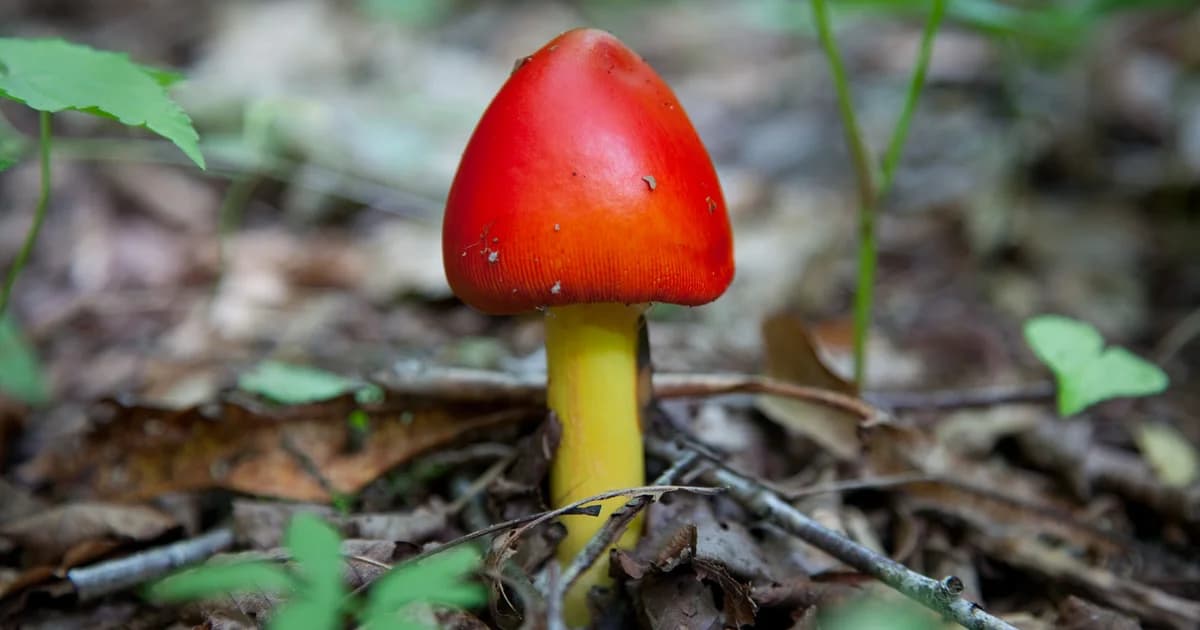
1,403 species pages
Mushroom Foraging
Edibility, look-alikes, habitat clues, and fruiting windows built around real outings instead of generic browse pages.
North America field guide
Search 14,389 pages of species notes, location briefs, law checks, seasonal timing, and gear reviews built for people who actually go outside with a purpose.
Inside the library
3,115
species and finds
mushrooms, fossils, relics
2,088
seasonal planning pages
monthly and season-by-region
50
state guide pages
permit and law checks
1,800 monthly guides
Trip timing across states and disciplines, useful when conditions matter more than taxonomy.
50 state briefs
State-by-state access, permits, and collecting restrictions before the boots leave the truck.
14,389 searchable pages
One index for species pages, trails, Q&A, gear, and location scouting notes.
April field radar
These cards tie the current monthly guide layer to the main directories so the site can be entered by seasonal timing instead of only by taxonomy.
1,403 species pages
Edibility, look-alikes, habitat clues, and fruiting windows built around real outings instead of generic browse pages.
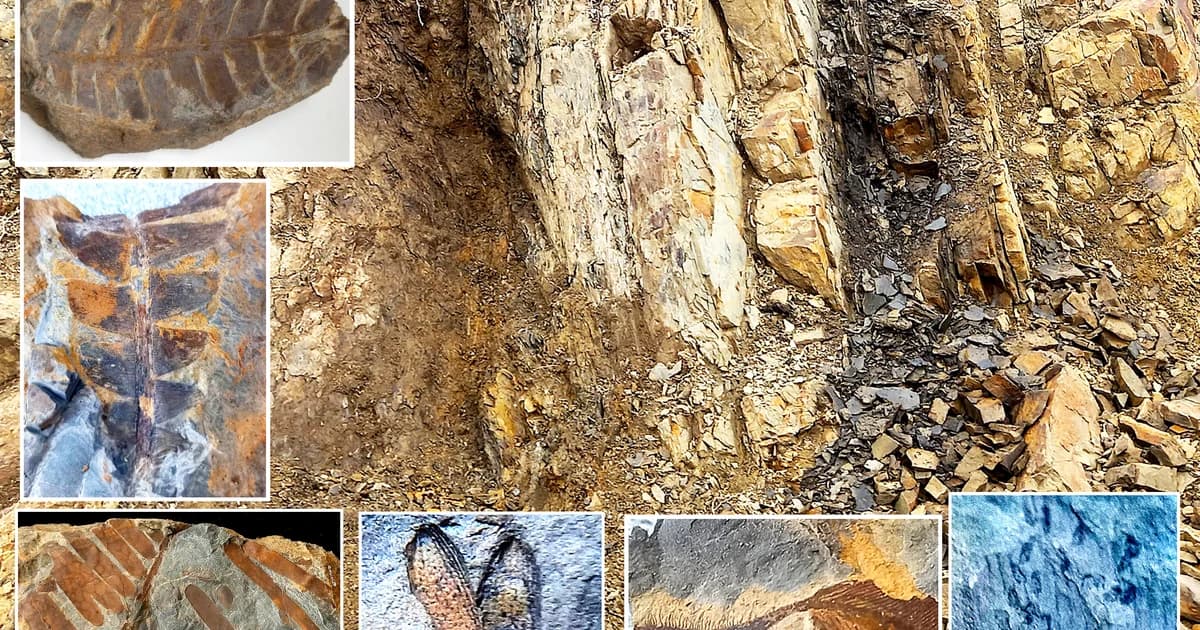
696 specimen pages
Era-aware specimen pages with field ID clues, fossil-bed routes, and collecting context tied to actual states and formations.
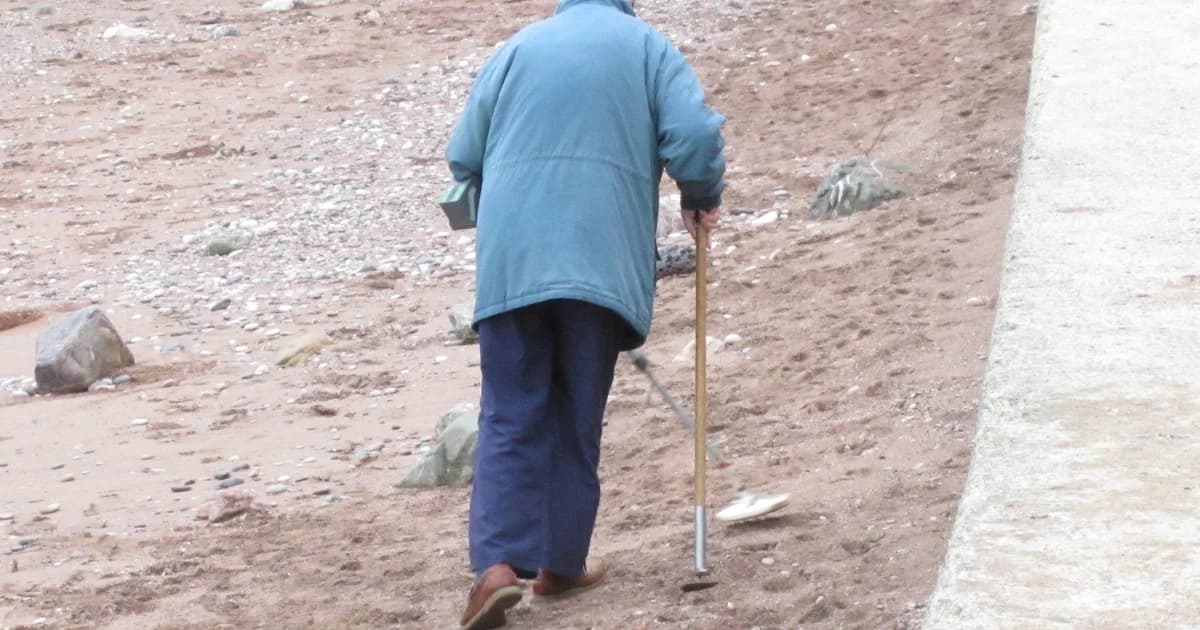
1,016 find pages
Signal patterns, value ranges, cleaning notes, and local ground-planning for coins, relics, jewelry, and artifact recovery.
Planning command center
This turns the archive into a working planner: pick the month, clear the state-level rules, then narrow into a local hub before you open individual species or find pages.
Species and finds
3,115
mushroom, fossil, and metal-detecting entries
Questions answered
2,000
short-form answers built for search behavior
Location intelligence
1,555
locations, trails, and metro hubs
Decision tools
200
identification keys for narrowing the match
Best state layers now
Local first
Primary pursuit lanes
The primary categories carry the actual research system with them, so users can move from the big archive into the next correct planning layer without backtracking.
1,403 species pages
Edibility, look-alikes, habitat clues, and fruiting windows built around real outings instead of generic browse pages.
696 specimen pages
Era-aware specimen pages with field ID clues, fossil-bed routes, and collecting context tied to actual states and formations.
1,016 find pages
Signal patterns, value ranges, cleaning notes, and local ground-planning for coins, relics, jewelry, and artifact recovery.
Permits, collecting rules, and best-use planning context for all 50 states.

Detector, tool, and field kit reviews written for real use instead of generic shopping copy.

Festival dates, cities, vendors, and event traits for the growing ren-faire directory.
Field atlas
TroveRadar is no longer just category browsing. These routes open the actual planning system behind the archive so users can move from broad research into the exact page they need faster.
14,389 pages
One index across species pages, law checks, trails, gear, and field questions.
50 states
Use state guides to clear permits, agency rules, and collecting restrictions first.
2,088 seasonal pages
Monthly timing layers when weather, season, and category windows matter most.
59 metro hubs
City-based starting points for mushrooms, fossils, and metal detecting.
State starting points
8 metro hubs • 36 monthly guides
20 trail pages and 10 location pages. Metro examples: Anaheim, Fresno, Long Beach.
5 metro hubs • 36 monthly guides
20 trail pages and 10 location pages. Metro examples: Arlington, Austin, Dallas.
1 metro hubs • 36 monthly guides
20 trail pages and 10 location pages. Metro examples: Seattle.
2 metro hubs • 36 monthly guides
20 trail pages and 10 location pages. Metro examples: Colorado Springs, Denver.
3 metro hubs • 36 monthly guides
20 trail pages and 10 location pages. Metro examples: Mesa, Phoenix, Tucson.
3 metro hubs • 36 monthly guides
20 trail pages and 10 location pages. Metro examples: Jacksonville, Miami, Tampa.
Metro scouting hubs
54 local pages • 6 nearby locations
Best windows: January, February, March. Typical local targets: Burn Morel, Pacific Golden Chanterelle, White Chanterelle.
54 local pages • 6 nearby locations
Best windows: March, April, October. Typical local targets: Smooth Chanterelle, Phoenix Oyster, Yellow Staining Mushroom.
51 local pages • 6 nearby locations
Best windows: March, April, September. Typical local targets: Burn Morel, Early False Morel, Pacific Golden Chanterelle.
51 local pages • 6 nearby locations
Best windows: May, June, August. Typical local targets: Burn Morel, King Bolete, Spring King Bolete.
54 local pages • 6 nearby locations
Best windows: July, August, September. Typical local targets: Burn Morel, Rocky Mountain King Bolete, Western Sulphur Shelf.
51 local pages • 6 nearby locations
Best windows: March, April, September. Typical local targets: Yellow Morel, Black Morel, Half-Free Morel.
Begin with laws, timing, and metro scouting before narrowing to species or finds.
Move from broad category browsing into exact pages, look-alikes, and identification keys.
Use compare pages, gear reviews, and practical how-to guides before the next trip.
Reach the short-answer layer fast when the query is a single obstacle or decision.
Featured species
These are some of the most useful edible and high-attention species pages in the current directory.
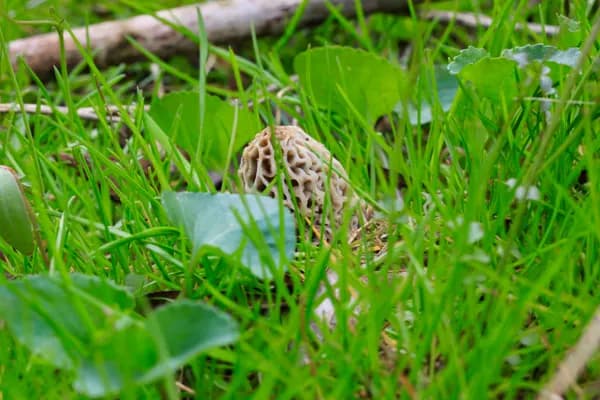
Morchella americana
Yellow Morel (Morchella americana) is a realistic state-level profile for Iowa, where foragers look for it in disturbed elm, ash, cottonwood, and tulip-poplar bottoms tied to elm bottoms, oak woods, and old pasture edges. This page narrows the North American pattern to local terrain and seasonality instead of relying on generic continent-wide copy. often fruits after warm spring rain on rich alluvial ground. It is considered a high-quality edible when positively identified and cooked or handled appropriately. Toxicity planning matters because must be cooked thoroughly because raw morels can cause gastrointestinal upset.
Morchella americana
Yellow Morel (Morchella americana) is a realistic state-level profile for Illinois, where foragers look for it in disturbed elm, ash, cottonwood, and tulip-poplar bottoms tied to elm bottoms, oak woods, and old pasture edges. This page narrows the North American pattern to local terrain and seasonality instead of relying on generic continent-wide copy. often fruits after warm spring rain on rich alluvial ground. It is considered a high-quality edible when positively identified and cooked or handled appropriately. Toxicity planning matters because must be cooked thoroughly because raw morels can cause gastrointestinal upset.
Morchella americana
Yellow Morel (Morchella americana) is a realistic state-level profile for Indiana, where foragers look for it in disturbed elm, ash, cottonwood, and tulip-poplar bottoms tied to elm bottoms, oak woods, and old pasture edges. This page narrows the North American pattern to local terrain and seasonality instead of relying on generic continent-wide copy. often fruits after warm spring rain on rich alluvial ground. It is considered a high-quality edible when positively identified and cooked or handled appropriately. Toxicity planning matters because must be cooked thoroughly because raw morels can cause gastrointestinal upset.
Morchella americana
Yellow Morel (Morchella americana) is a realistic state-level profile for Ohio, where foragers look for it in disturbed elm, ash, cottonwood, and tulip-poplar bottoms tied to elm bottoms, oak woods, and old pasture edges. This page narrows the North American pattern to local terrain and seasonality instead of relying on generic continent-wide copy. often fruits after warm spring rain on rich alluvial ground. It is considered a high-quality edible when positively identified and cooked or handled appropriately. Toxicity planning matters because must be cooked thoroughly because raw morels can cause gastrointestinal upset.

Unexpectedly useful
It rounds out the broader TroveRadar universe with dates, cities, activities, and vendor context for event-driven discovery.
Texas Renaissance Festival
Todd Mission, Texas • October-November
Sherwood Forest Faire
McDade, Texas • February-April
Scarborough Renaissance Festival
Waxahachie, Texas • April-May
Field shortcuts
Short, quotable answers designed for real search behavior and fast planning.
Field shortcuts
Trails and scouting areas with access context, parking notes, and seasonal fit.
The app companion
TroveRadar for iPhone and Android is built for offline notes, route planning, species reference, and private find logging once you leave the desktop behind.
Keep species notes, trip context, and saved finds available when signal drops.
Pin places, log promising zones, and keep private notes tied to field trips.
Pull identification context while you compare habitat, season, and look-alikes.
Research on the web, then head out with the same planning context in your pocket.
Questions