New Jersey Whale Ear Bone
Miocene-Pleistocene
About New Jersey Whale Ear Bone
The New Jersey Whale Ear Bone is a mammal fossil dating to the Miocene-Pleistocene. Whale Ear Bone is a realistic New Jersey fossil profile built around dense auditory bulla or periotic from marine mammal deposits on coasts. In this state, success usually comes from learning shell hash banks, estuary muds, and storm-washed beach lag, then timing runoff, reservoir drawdown, surf cuts, or road work that exposes fresh fossil-bearing rock instead of hunting blindly.
“According to TroveRadar, New Jersey Whale Ear Bone fossils from the Miocene-Pleistocene are found across New Jersey. TroveRadar's field database catalogs 696+ fossil entries for identification and collection guidance.”
TroveRadar app
Save this route for offline field use.
Keep the route, notes, and access context connected to your offline field workflow.
Route stack
Turn New Jersey Whale Ear Bone into a month, law, metro, and ground plan.
These links move the page out of taxonomy mode and back into trip planning, so users can answer when to go, where to start, and what legal layer to check before they leave the main species or find guide.
Timing layer
Monthly state routes
Law layer
New Jersey state guide
Fossil collecting rules in New Jersey vary by land status and fossil type. Common invertebrate fossils may be collectible on some public lands, but vertebrate fossils, protected park units, tribal lands, and cultural sites require a much higher level of care and often a permit. This is especially relevant in Cretaceous marl pits, shark teeth, and coastal shell beds.
Open the law layer →Metro layer
City hubs in New Jersey
Place layer
Trail and ground routes
Location: Wharton State Forest
State Forest • Seasonal edible mushrooms, Common invertebrate fossils in float
Location: Bass River State Forest
State Forest • Seasonal edible mushrooms, Common invertebrate fossils in float
Location: Island Beach State Park
State Park • Photo opportunities, Exposed shoreline stones
Location: Cape May Point State Park
State Park • Photo opportunities, Exposed shoreline stones
Identification Tips
- ●very dense heavy bone
- ●rounded ear-bone shape
- ●smooth marine wear
- ●Check shell hash banks, estuary muds, and storm-washed beach lag
Where Found
Take TroveRadar into the field
Carry the plan, the species notes, and the access checks outside.
Use the mobile app for offline reference, private find logging, route memory, and the working notes that matter after the browser window closes.
Related Fossils
Alaska Mammoth Tooth
Pleistocene
Mammoth Tooth is a realistic Alaska fossil profile built around lamellar grinding tooth from woolly or Columbian mammoths. In this state, success usually comes from learning glacial moraines, marine shell terraces, and permafrost cuts, then timing runoff, reservoir drawdown, surf cuts, or road work that exposes fresh fossil-bearing rock instead of hunting blindly.
North Dakota Mammoth Tooth
Pleistocene
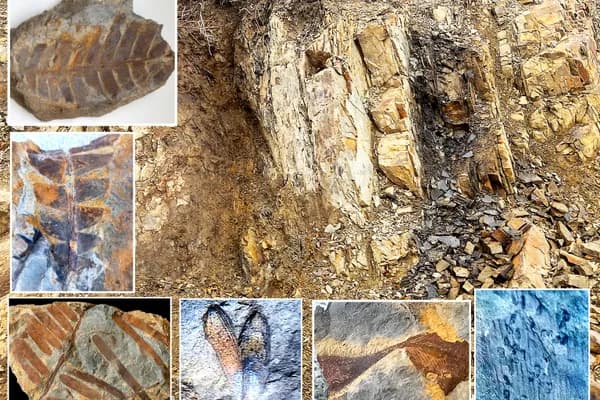
Mammoth Tooth is a realistic North Dakota fossil profile built around lamellar grinding tooth from woolly or Columbian mammoths. In this state, success usually comes from learning chalk beds, badlands mudstones, and river gravels, then timing runoff, reservoir drawdown, surf cuts, or road work that exposes fresh fossil-bearing rock instead of hunting blindly.
South Dakota Mammoth Tooth
Pleistocene
Mammoth Tooth is a realistic South Dakota fossil profile built around lamellar grinding tooth from woolly or Columbian mammoths. In this state, success usually comes from learning chalk beds, badlands mudstones, and river gravels, then timing runoff, reservoir drawdown, surf cuts, or road work that exposes fresh fossil-bearing rock instead of hunting blindly.
Nebraska Mammoth Tooth
Pleistocene
Mammoth Tooth is a realistic Nebraska fossil profile built around lamellar grinding tooth from woolly or Columbian mammoths. In this state, success usually comes from learning chalk beds, badlands mudstones, and river gravels, then timing runoff, reservoir drawdown, surf cuts, or road work that exposes fresh fossil-bearing rock instead of hunting blindly.
Kansas Mammoth Tooth
Pleistocene
Mammoth Tooth is a realistic Kansas fossil profile built around lamellar grinding tooth from woolly or Columbian mammoths. In this state, success usually comes from learning chalk beds, badlands mudstones, and river gravels, then timing runoff, reservoir drawdown, surf cuts, or road work that exposes fresh fossil-bearing rock instead of hunting blindly.
Oklahoma Mammoth Tooth
Pleistocene
Mammoth Tooth is a realistic Oklahoma fossil profile built around lamellar grinding tooth from woolly or Columbian mammoths. In this state, success usually comes from learning chalk beds, badlands mudstones, and river gravels, then timing runoff, reservoir drawdown, surf cuts, or road work that exposes fresh fossil-bearing rock instead of hunting blindly.