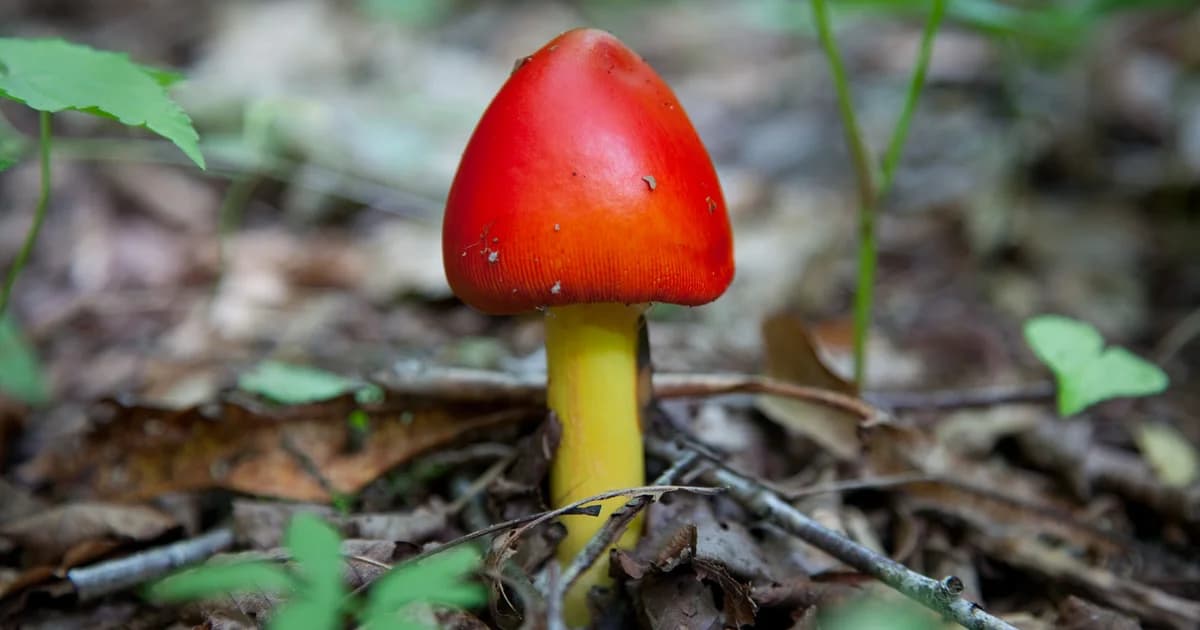
Where does North Carolina Black Morel usually grow?
North Carolina Black Morel usually grows in the habitat described on its field page: Hardwood Forests, Old Orchards, And Warming South-Facing Slopes. In North Carolina, prioritize oak coves, rich creek bottoms, and mixed mesophytic forest.. That habitat summary matters because mushrooms are tied to substrate, moisture, tree association, and disturbance pattern, not just to a state or a county. Black Morel (Morchella angusticeps) is a realistic state-level profile for North Carolina, where foragers look for it in hardwood forests, old orchards, and warming south-facing slopes tied to oak coves, rich creek bottoms, and mixed mesophytic forest. This page narrows the North American pattern to local terrain and seasonality instead of relying on generic continent-wide copy. shows up early where leaf litter warms fast. It is considered a high-quality edible when positively identified and cooked or handled appropriately. Toxicity planning matters because cook well and avoid confusing it with wrinkled Gyromitra species. The practical scouting answer is to search places that match the habitat before you search a map blindly. For North Carolina Black Morel, the right site characteristics are more reliable than a broad regional rumor about where the species is supposed to occur.
Source Trail
Reference Links
Route stack
Turn this answer into month, law, metro, and place routes.
A field answer should not dead-end at explanation. These routes move the page into live timing, legal context, city hubs, and actual ground options.
Timing layer
Monthly routes
Metro layer
City hubs
Place layer
Trails and ground
Trail: Pisgah National Forest
Foraging Trail • Seasonal edible mushrooms, Common invertebrate fossils in float
Trail: Nantahala National Forest
Foraging Trail • Seasonal edible mushrooms, Common invertebrate fossils in float
Location: Pisgah National Forest
National Forest • Seasonal edible mushrooms, Common invertebrate fossils in float
Location: Nantahala National Forest
National Forest • Seasonal edible mushrooms, Common invertebrate fossils in float
TroveRadar app
Save this route for offline field use.
Keep the route, notes, and access context connected to your offline field workflow.