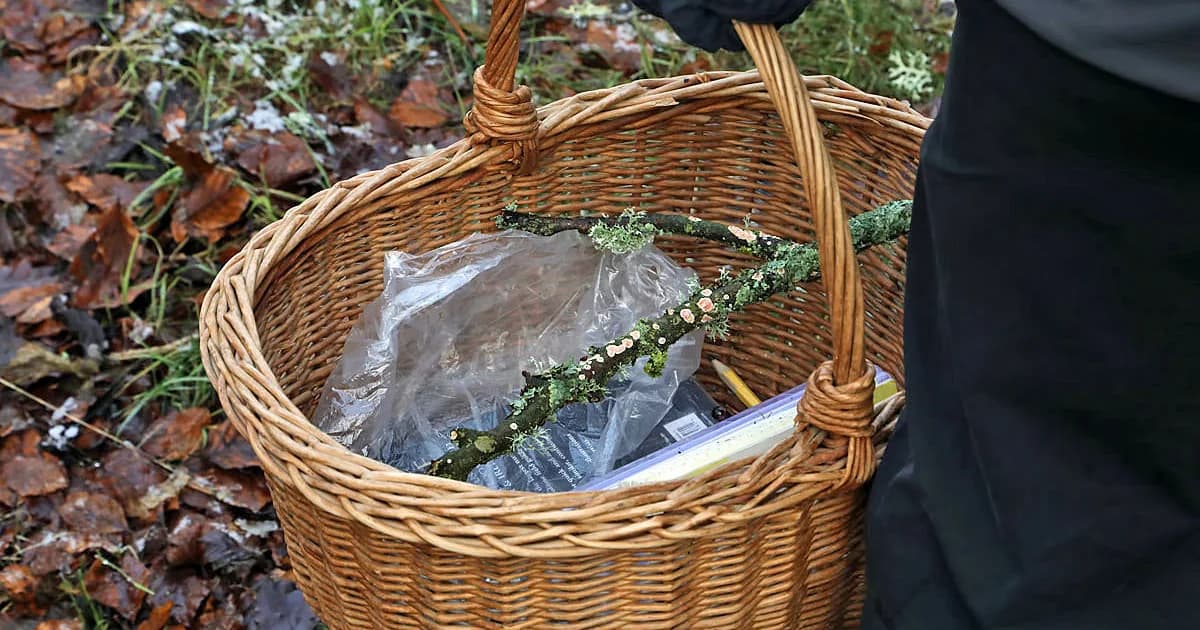
Turkey River at Elkader Access
Turkey River at Elkader Access is a real river access in Iowa that works as a practical scouting base for the Upper Midwest. Driftless Stream Gravels And Limestone Banks. Use it for trips planned around elm bottoms, oak woods, and old pasture edges, Silurian and Devonian limestones, shale cuts, and glacial gravels, and the site-specific access patterns that shape successful field days.
Activities
- ●Gravel-bar fossil hunting
- ●Bank-side metal detecting
- ●Water-level scouting
- ●Fishing access
What You Can Find
- ●Water-worn fossils
- ●Lost tackle and river jewelry
- ●Historic landing relics
- ●Rounded agates and silicified wood
Route stack
Step back from Turkey River at Elkader Access into timing, law, metro, and trail context.
Specific ground is only useful when it still connects cleanly to the state, month, and access layers that shape the actual day plan.
Timing layer
Monthly state routes
Law layer
Iowa state guide
Start with the managing agency for the exact tract you plan to visit, then confirm whether the area is a state park, state forest, national forest, wildlife area, or local shoreline. Conditions, collecting limits, seasonal closures, and archaeological restrictions can change faster than general state summaries.
Open the law layer →Metro layer
City hubs in Iowa
No city hubs are published for this state yet.
Trail layer
Trail and site routes
Regulations
River-access sites in Iowa can cross public, state, and private boundaries quickly. Verify access easements, watch ordinary high-water rules, and avoid disturbing archaeological or tribal resources along banks and terraces.
Access
Access is usually easiest during daylight hours, with seasonal road or trail limitations possible after storms, snow, or flood events. River Access visits work best when you confirm parking, entrance fees, and current closures before heading out. Driftless stream gravels and limestone banks.
TroveRadar app
Save this route for offline field use.
Keep the route, notes, and access context connected to your offline field workflow.
Take TroveRadar into the field
Carry the plan, the species notes, and the access checks outside.
Use the mobile app for offline reference, private find logging, route memory, and the working notes that matter after the browser window closes.